

Imagine finding out that your fire extinguisher isn’t fit for purpose when – to quote Basil Fawlty – you actually need the bl**dy thing. When it comes to workplace fire safety, the right – correctly serviced and maintained – fire extinguishers are crucial. That can be the difference in the event of an emergency.
"Do you know what that fire extinguisher did? It exploded in my face. I mean, what is the point of a fire extinguisher? It sits there for months, and when you actually have a fire - when you actually need the bloody thing - it blows your head off!"
Basil Fawlty
However, with distinct and specific types of fire extinguisher available, it’s not always clear which you need for your business or premises. Don’t worry, that’s what we’re here for – it’s our area of expertise. At Francis Fire, we’ve got you covered. In this guide, we’ll explain the three most common fire extinguisher types. The most widely used fire extinguishers are Water, CO2, and Foam, closely followed by Powder and Wet Chemical fire extinguishers. Each has its best use cases, and each must be correctly maintained, and serviced. Again, we can take care of that for you.
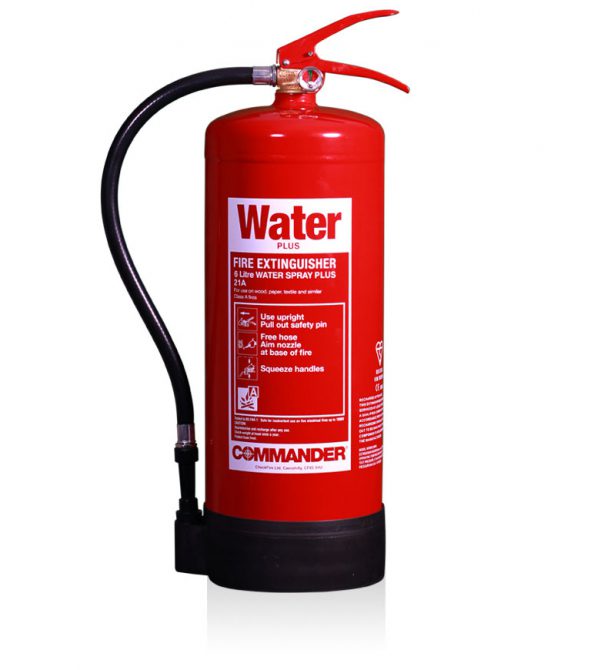
Water Fire Extinguishers
How they work:
Water extinguishers cool the fire by wetting the burning material.
✅ Best for:
Class A Fires: That means fires which involve solids – that is, materials like wood, paper, textiles, and furniture.
Offices, schools, warehouses, and retail spaces where combustible materials are common.
‼️ Not suitable for:
Electrical fires (risk of electrocution) or fires involving flammable liquids, oils, or cooking fats.
💡Quick tip:
Water extinguishers are simple and effective but should only be used where the fire risk is clearly from ordinary combustible materials.
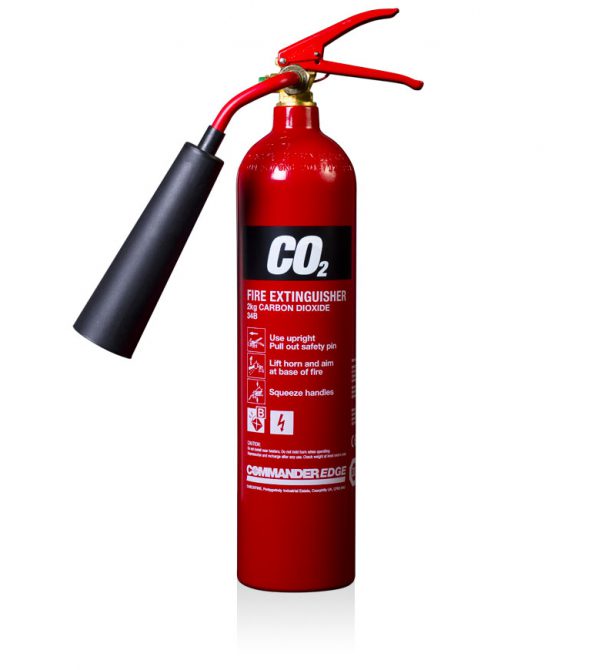
CO2 (Carbon Dioxide) Fire Extinguishers
How they work:
CO2 displaces oxygen, suffocating the flames.
✅ Best for:
Electrical fires (computers, machinery, servers, switchgear).
Small fires involving flammable liquids (Class B fires).
‼️ Not suitable for:
Fires involving solid combustibles like paper or wood; outdoor use in windy conditions, as the gas can disperse quickly.
💡Quick tip:
CO2 fire extinguishers leave no residue, making them ideal for areas with sensitive electronic equipment.
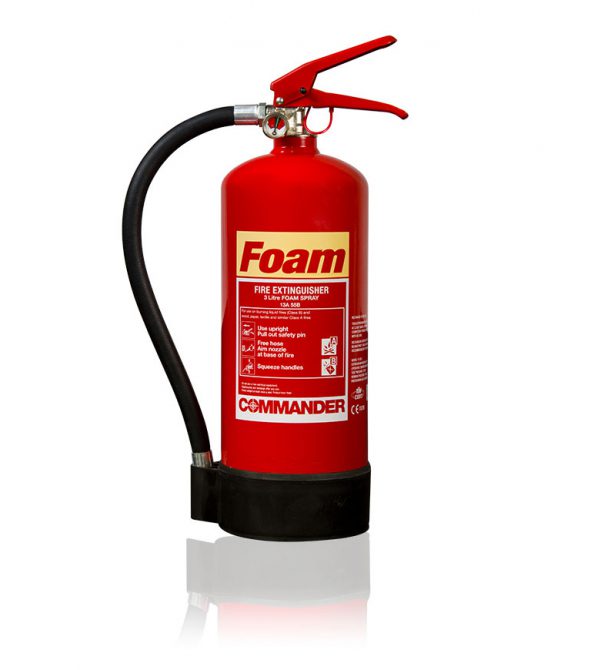
Foam Fire Extinguishers
How they work:
Foam forms a barrier that both cools the fire and smothers fuel vapours to prevent re-ignition.
✅ Best for:
Flammable liquid fires such as petrol, diesel, or solvents (Class B fires).
Combustible solid materials like wood and paper (Class A fires).
‼️ Not suitable for:
Fires involving live electrical equipment (unless specified as safe for electrical use).
💡Quick tip:
Foam fire extinguishers are versatile and well-suited to mixed-risk environments like garages, workshops, or warehouses.
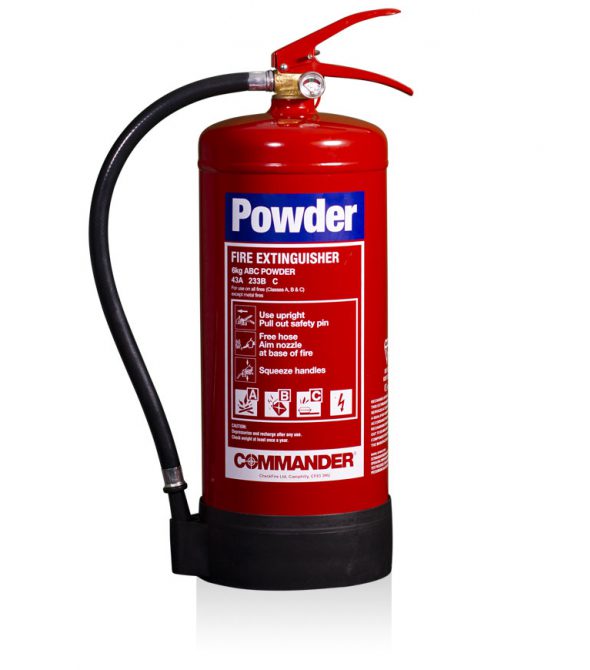
Powder Fire Extinguishers
How they work:
Powder extinguishers smother fires by forming a barrier between the fuel and the oxygen, effectively cutting off the fire’s ability to burn. The powder also helps to interrupt the chemical reaction taking place in the flames.
✅ Best for:
Class A, B, and C Fires: These include fires involving solids (like wood and paper), flammable liquids (like petrol or paints), and gases (like propane or butane).
Ideal for garages, workshops, vehicles, and areas with mixed fire risks.
‼️ Not suitable for:
Enclosed or indoor areas – the powder can reduce visibility and make breathing difficult, fires involving cooking oils and fats, or sensitive electronic equipment (as the powder can cause damage).
💡Quick tip:
Powder extinguishers are versatile and powerful, making them excellent for outdoor or industrial use. However, they’re best avoided indoors due to the mess and potential respiratory irritation. Assess and document any indoor use of powder within all applicable on-site Health & Safety procedures.
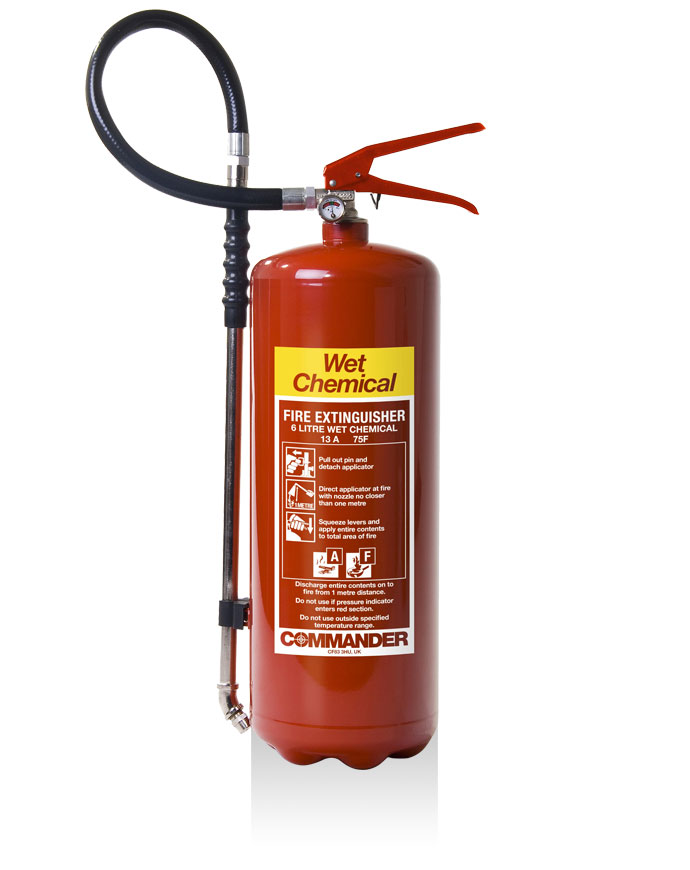
Wet Chemical Fire Extinguishers
How they work:
Wet chemical extinguishers cool the flames and create a soapy layer on the surface of burning oils and fats, sealing in vapours, and preventing re-ignition.
✅ Best for:
Class F Fires: Specifically designed for fires involving cooking oils and fats.
Perfect for commercial kitchens, restaurants, cafés, and food preparation areas.
‼️ Not suitable for:
Electrical fires, or fires involving flammable liquids or gases.
💡Quick tip:
Wet chemical fire extinguishers are the go-to choice for kitchen environments – they’re the safest and most effective way to deal with cooking oil fires.
Maintenance Basics
Having the right extinguisher is only half the story.
To stay compliant and, above all, prepared, it’s crucial to take care of:
- Annual servicing: A trained engineer should inspect extinguishers every 12 months.
- Monthly checks: Responsible persons should ensure extinguishers are in place, undamaged, and accessible.
- Always complete and update your Fire Safety Logbook.
- Refills/replacement: After any use, even partial, you must have your extinguishers refilled or replaced.
- Expiry dates: Extinguishers generally last from 5 to 10 years, depending on type. It’s imperative to replace your extinguishers once they reach their end-of-life date.
Selecting, siting, and maintaining the right fire extinguisher or extinguishers, in the right setting, is not just about fire regs compliance. It’s about safety and peace of mind. It could save your premises, your stock – and even lives.
This must seem like another minefield for you to navigate in business. Don’t worry though. You don’t need to be sure which extinguishers are right for your premises. Francis Fire can help. That’s our job, our expertise, and we can take that stress and uncertainty away. Contact us today and we’ll deliver expert fire extinguisher advice, supply, installation, and maintenance. That’s how to keep your business protected from fire.